

This post contains affiliate links.
Every desert is different, so the common desert plants and animals in the Chihuahuan desert are different from those in the Sonoran desert next door (and wildly different from those in the Sahara desert in Africa or the Gobi desert in China).
Las Cruces, my current home, sits in the southern part of New Mexico and the northern part of the Chihuahuan desert, which stretches its long arms down more than 140,000 square miles into Mexico. Its the largest desert in North America and one of the most ecologically diverse in the world – and I’m lucky enough to have it in my backyard (Literally, this Airbnb is insane.)
During my stay here, I quickly found that the Chihuahuan desert is much more than just sand – it’s full of desert plants and animals that have made this inhospitable place their home just like me.
I was never interested in plants growing up in Ohio but the crazy cacti and otherworldly plants in the desert are way more interesting. If you go hiking in the Chihuahuan desert, expect to see most – if not all – of these 10 common desert plants and animals.
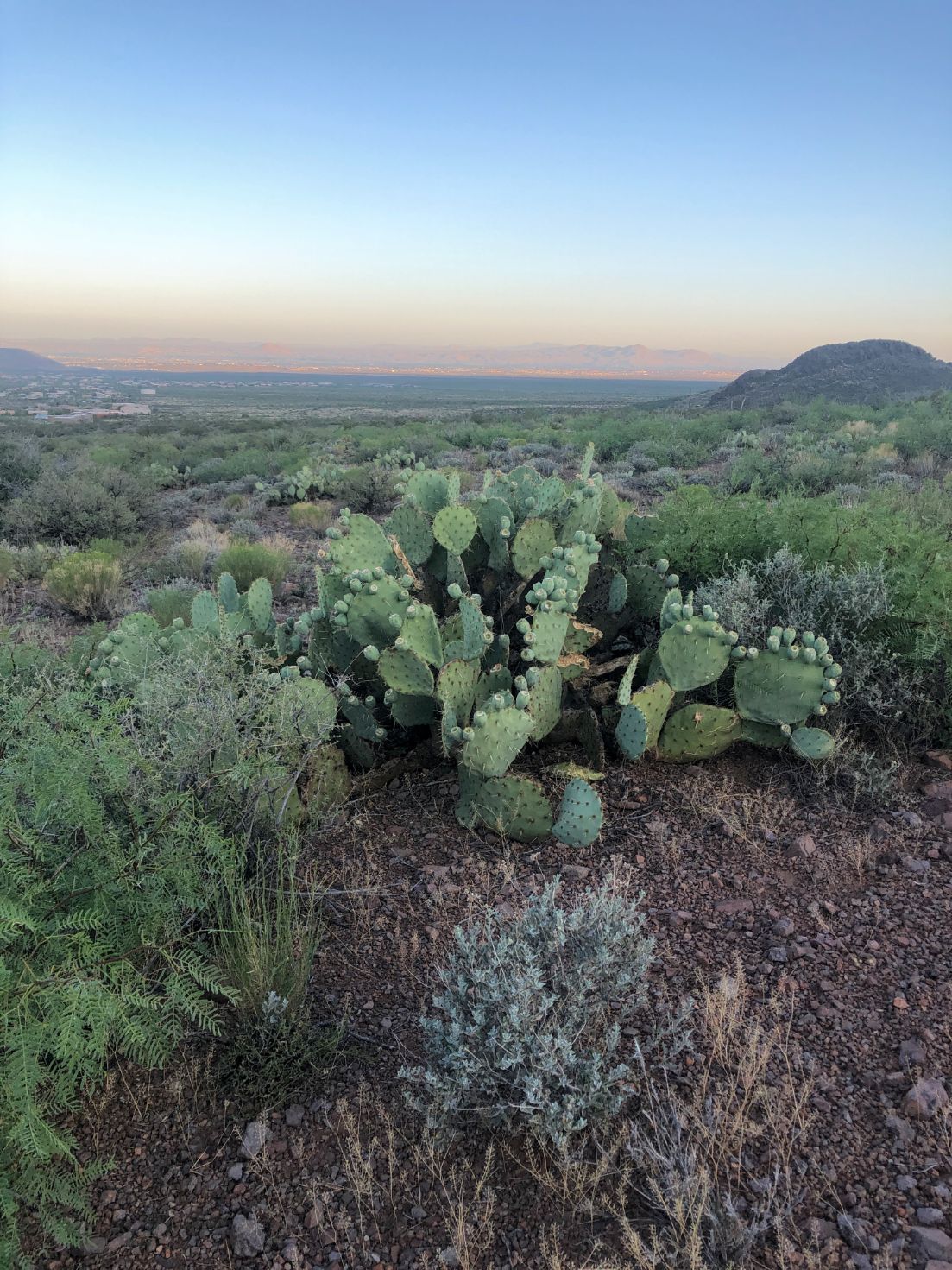
10. Prickly Pear Cactus (Sausage Fingers)
The prickly pear cactus waves hi to every passerby in the Chichuahuan desert. It’s also a common food in traditional Mexican cuisine, so if you ever see nopales on a menu, make sure to give it a try.

9. Desert Spoon (The Show-off)
Like, what are you trying to prove? These beasts are pretty unassuming most of the year, but they grow one stalk over ten feet tall when it’s time to flower. To be fair, the Desert Spoon saves up energy for years to grow it, so you can’t blame ’em for going big before they go home.

8. Creosote Bush (The Basic B)
This is the most common and most boring desert plant in Las Cruces. You will see a lot of them. They all look the same and suck the energy from others around them, hence the nickname the basic b. There’s an 11,000-year-old creosote plant in California that sounds interesting, but for the most part they are not very notable.

7. Fishhook Barrel Cactus (The Morning After)
This is probably the best cactus in the Chihuahuan desert because it’s adorable, hilarious, and has no qualms about doin’ it’s own thing. The barrel cactus grows a ring of bright red flowers in the rainy season but it’s photogenic any time of the year.

6. Ocotillo (The Dr. Seuss)
Ocotillo plants looks spectacularly ridiculous all of the time, but especially when they turn lush and green and flower during the summer rainy season. I love the Ocotillo because they’re the plant version of the wacky inflatable arm flailing tubeman so there’s no risk of ever misidentifying it.

5. Strawberry Cactus
How cute? The strawberry cactus is less common than the barrel cactus and the prickly pear and harder to spot because they’re so small (usually less than a foot tall). The fruit is supposedly edible but I don’t know enough about plants to go around eating anything I find in the desert just yet.
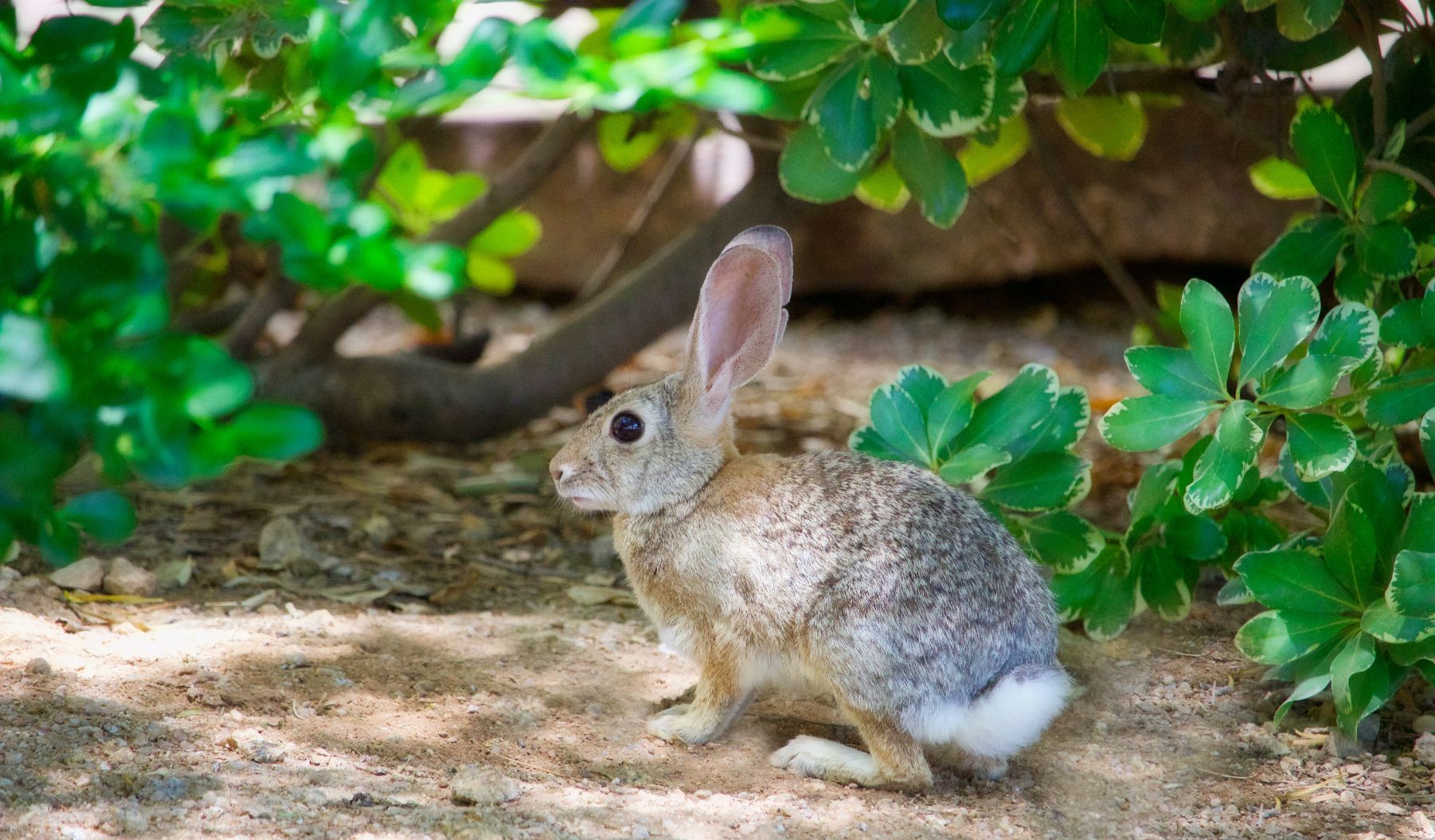
4. Cottontail Rabbit (Scared Bois)
The number one most common desert animal in Las Cruces is the seemingly always frantic cottontail rabbit. When I first moved here I thought the large, black-tailed jackrabbits were full grown cottontails and the smaller white-tailed cottontails were babies of the same species – don’t make the same mistake! Although they do come from the same family, jackrabbits and cottontails are very different.

3. Jackrabbit (Long Bois)
Jackrabbits are hares, not rabbits, which means they’re bigger than cottontails and live in nests instead of burrows. Jackrabbits aren’t as plentiful as the cottontails and are much more on top of their game – they’re often running from you before you even spot them, while you have to practically trip over the cottontails before they notice you.

2. Gambel’s Quail (Fancy Bois)
Gambel’s quails always look like they’re headed to a fancy event that you weren’t invited to. If they could talk, it would definitely be with a British accent. They can fly, but rarely do, and you are much more likely see them running around on the ground than up in the air.

1. Roadrunner (Speedy Bois)
Roadrunners are smaller than I expected after consuming the roadrunner cartoon for all of my childhood, but they’re still cool. They can run up to 20 mph and seeing them at full speed on a road or flat surface is impressive.
More Common Desert Plants and Animals
You are guaranteed to spot cottontails and quails on any walk in the Chihuahuan desert and very likely to see jackrabbits and roadrunners as well.
Other animals you may spot occasionally are mule deer, horned lizards, and New Mexico whiptail lizards. I was also lucky enough to see a rainbow-colored greater earless lizard and a giant whip scorpion (also called a vinegeroon because it shoots vinegar out of its butt).
If you’re very lucky, some less common desert animals you may spot in Las Cruces and the Chihuahuan desert are tarantulas, rattle snakes, burrowing owls, great horned owls, javalenas, and golden eagles.
Ready to go?
Explore unique Airbnbs in Las Cruces – like this charming adobe house in historic Mesilla or this guesthouse in the mountains (that Dan and I loved living in for six months) – to book your stay! Then, check out more food, culture, and outdoors experiences in New Mexico to plan the rest of your trip!
This article is part of the Lovely Las Cruces Series. Read the rest below:
Where to go hiking in Las Cruces, New Mexico
The complete guide to craft beer in Las Cruces
What to eat, drink, and do in Cloudcroft, New Mexico
Like it? Pin it!

Did you know every time you read an article on Slight North, you're also planting trees for the monarchs in Mexico? Start here to learn more about our mission and how to get the most out of the site!




0 Comments